
L&T Elara Celestia Bangalore
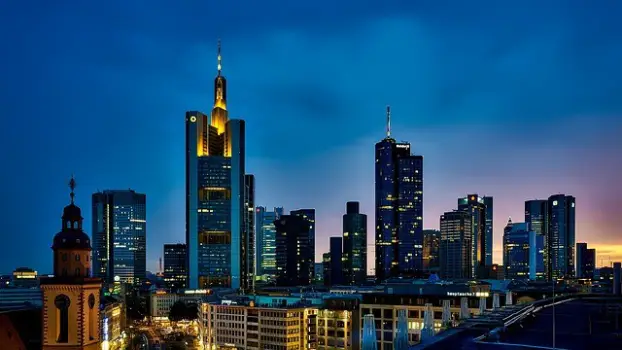
Bangalore, officially known as Bengaluru, is the capital city of Karnataka and one of the most vibrant and dynamic cities in India. Often referred to as the “Silicon Valley of India,” Bangalore is a melting pot of cultures, traditions, and modernity. From its rich history and pleasant climate to its booming IT industry, cosmopolitan lifestyle, robust infrastructure, and thriving real estate market, Bengaluru has something to offer everyone. In this article, we’ll take a deep dive into what makes Bangalore truly special.
A Glimpse into Bangalore’s History
Bengaluru’s history dates back over a thousand years, making it a city steeped in heritage and culture. The name “Bangalore” is believed to have originated from the Kannada words Benda Kalu, meaning “boiled beans.” Legend has it that a king, while lost in the area, was offered boiled beans by an old woman, and the name stuck.
The city’s modern history began in the 16th century when Kempe Gowda I, a feudal ruler, founded Bangalore in 1537. He built a mud fort and laid the foundation for what would become one of India’s most important cities. Over the centuries, Bengaluru saw the rule of various dynasties, including the Vijayanagara Empire, the Mughals, and the British. Each of these rulers left their mark on the city, contributing to its diverse cultural fabric.
The Weather: Bangalore’s Eternal Charm
One of the most striking features of Bangalore is its pleasant weather. Unlike many other Indian cities that experience extreme temperatures, Bangalore enjoys a moderate climate throughout the year. The city’s elevation of 900 meters above sea level contributes to its cool and comfortable weather, earning it the nickname “The City of Eternal Spring.”
The monsoon season, from June to September, brings refreshing rains, while the winter months (November to February) are mild and enjoyable. This pleasant climate has made Bangalore a favorite among both residents and tourists.
Bangalore: The IT Hub of India
Bengaluru is synonymous with India’s IT revolution. Home to over 400 Fortune 500 companies, the city is the backbone of India’s technology sector. The establishment of organizations like Infosys, Wipro, and Tata Consultancy Services (TCS) in the 1980s marked the beginning of Bangalore’s journey as the “Silicon Valley of India.”
Today, the city boasts world-class tech parks like Electronic City and Manyata Tech Park, which house some of the biggest names in the global tech industry. The presence of these companies has not only boosted the city’s economy but also attracted talent from across the globe, making Bengaluru a truly cosmopolitan city.
Infrastructure Development in Bangalore: Current and Future Plans
Bangalore’s rapid growth as India’s IT capital has necessitated significant infrastructure development to keep pace with its expanding population and economic activities. The city has been at the forefront of adopting modern urban planning techniques and sustainable development practices. Here’s a look at the current infrastructure and future plans shaping Bengaluru’s growth:
Current Infrastructure
- Namma Metro (Bangalore Metro): The Bangalore Metro Rail Corporation Limited (BMRCL) operates Namma Metro, which has become the backbone of the city’s public transportation system. With two operational phases covering key areas like MG Road, Indiranagar, and Whitefield, the metro has significantly eased traffic congestion. The upcoming Phase 2 and Phase 3 expansions aim to connect more suburbs and reduce travel time further.
- Peripheral Ring Road (PRR): To decongest the city’s core areas, the Peripheral Ring Road project is underway. This 74-kilometer road will connect major highways like Tumakuru Road and Hosur Road, facilitating smoother movement of goods and passengers.
- Kempegowda International Airport (KIA): Bangalore’s international airport, located in Devanahalli, is one of the busiest in India. Plans for a second runway and a new terminal are in progress to handle increasing passenger traffic.
- Smart City Initiatives: Under the Smart Cities Mission, Bengaluru has implemented projects like intelligent traffic management systems, solar-powered streetlights, and waste management solutions to enhance urban living.
Future Plans
- Suburban Rail Network: The proposed suburban rail network, covering 148 kilometers, will connect Bengaluru with its satellite towns like Ramanagara, Chikkaballapur, and Doddaballapur. This project aims to reduce dependency on road transport and provide affordable commuting options.
- Elevated Corridors: To address traffic bottlenecks, the government has planned elevated corridors across key routes, including the Silk Board-Jayanagar corridor and Hebbal-KR Puram stretch.
- Expansion of Green Spaces: With urbanization threatening green cover, initiatives like the development of new parks and tree-lined avenues are being prioritized to maintain Bengaluru’s reputation as the “Garden City.”
- Water and Waste Management: Projects like the Cauvery Stage V water supply scheme and advanced sewage treatment plants are being implemented to ensure sustainable water usage and waste disposal.
Real Estate in Bangalore: A Thriving Market
Bangalore’s real estate market is one of the most dynamic in India, driven by its status as an IT hub and a preferred destination for professionals and investors. Here’s an overview of the current trends and future prospects in Bangalore’s property market:
Residential Real Estate
- Demand for Affordable Housing: With the influx of professionals, there’s a growing demand for affordable housing in areas like Sarjapur, Electronic City, and Whitefield. Developers are focusing on compact apartments and gated communities to cater to this segment.
- Luxury Housing: Areas like Hebbal, Koramangala, Indiranagar, and Jayanagar are hotspots for luxury apartments and villas, such as L&T Elara Celestia in Hebbal. High-end projects with amenities like swimming pools, gyms, and concierge services are in high demand.
- Co-Living Spaces: The rise of co-living spaces, especially among millennials and working professionals, has transformed the rental market. Companies like NestAway and ZoloStays are offering fully furnished accommodations with shared amenities.
Commercial Real Estate
- Office Spaces: Bengaluru is home to some of the largest IT parks in India, including L&T Tech Park, Electronic City and Manyata Tech Park. The demand for Grade A office spaces remains strong, with multinational corporations and startups driving growth.
- Co-Working Spaces: The startup culture has fueled the demand for co-working spaces. Companies like WeWork and 91Springboard have established a strong presence in the city, offering flexible office solutions.
Future Trends
- Integrated Townships: Developers are increasingly focusing on integrated townships that combine residential, commercial, and recreational spaces. Projects like L&T Raintree Boulevard, Prestige City and Brigade Metropolis are redefining urban living.
- Sustainable Developments: Green buildings and eco-friendly projects are gaining traction, with developers incorporating energy-efficient designs and renewable energy sources.
- Expansion to Suburbs: As the city core becomes saturated, real estate activity is shifting to suburbs like Devanahalli, Yelahanka, and Kanakapura Road. These areas offer affordable land and better connectivity, making them attractive for both residential and commercial projects.
Culture and Lifestyle: A Blend of Tradition and Modernity
Bengaluru is a city where tradition meets modernity. The city’s cultural scene is vibrant, with numerous festivals, art galleries, and theaters. Festivals like Dasara, Ugadi, and Karaga are celebrated with great enthusiasm, reflecting the city’s rich cultural heritage.
The city’s lifestyle is a perfect blend of the old and the new. While the older parts of Bengaluru, like Basavanagudi and Malleswaram, retain their traditional charm, areas like Koramangala and Indiranagar are known for their trendy cafes, pubs, and nightlife. Bengaluru’s food scene is equally diverse, offering everything from traditional South Indian dishes to international cuisines.
Must-Visit Attractions in Bangalore
Bengaluru is a city that never fails to impress its visitors. Here are some of the top attractions you must explore:
- Lalbagh Botanical Garden: Spread over 240 acres, Lalbagh is one of the most beautiful botanical gardens in India. Built during the reign of Hyder Ali, the garden is home to a wide variety of plants and trees, including the famous Lalbagh Rock.
- Cubbon Park: Located in the heart of the city, Cubbon Park is a green oasis amidst the urban chaos. It’s a favorite spot for joggers, walkers, and nature lovers.
- Bangalore Palace: Inspired by England’s Windsor Castle, Bangalore Palace is a stunning example of Tudor-style architecture. The palace offers a glimpse into the royal lifestyle of the Wadiyar dynasty.
- Vidhana Soudha: This iconic building houses the Karnataka State Legislature and is a fine example of neo-Dravidian architecture. It’s particularly stunning when illuminated at night.
- ISKCON Temple: One of the largest ISKCON temples in the world, this spiritual hub attracts devotees and tourists alike with its serene ambiance and beautiful architecture.
Education and Healthcare: A City of Opportunities
Bengaluru is not just a hub for technology but also for education and healthcare. The city is home to some of India’s premier educational institutions, including the Indian Institute of Science (IISc), Indian Institute of Management (IIM), and National Law School of India University (NLSIU).
In terms of healthcare, Bengaluru boasts world-class hospitals like Narayana Health and Fortis Hospital, offering advanced medical treatments and facilities.
Transportation: Navigating the City
Bengaluru’s rapid growth has led to challenges in transportation, but the city has made significant strides in improving its infrastructure. The Bangalore Metro, also known as Namma Metro, is a convenient and eco-friendly way to travel across the city. Additionally, the city has a well-connected network of buses operated by the Bangalore Metropolitan Transport Corporation (BMTC).
Challenges and Future Prospects
Like any rapidly growing city, Bengaluru faces its share of challenges, including traffic congestion, pollution, and water scarcity. However, the city is continuously evolving, with initiatives like smart city projects and sustainable urban planning aimed at addressing these issues.
Why Bangalore is a City Like No Other
Bangalore’s unique blend of history, culture, modernity, and innovation makes it a city like no other. Whether you’re a history buff, a tech enthusiast, or a nature lover, Bengaluru has something to offer. Its pleasant weather, vibrant lifestyle, and endless opportunities make it one of the most livable cities in India.
Conclusion
Bangalore’s journey from a historic city to a global IT powerhouse is a testament to its resilience and adaptability. With its robust infrastructure, thriving real estate market, and forward-looking urban planning, the city is well-equipped to handle the challenges of rapid urbanization. Whether you’re an investor seeking opportunities, a professional chasing dreams, or a traveler exploring its charm, Bengaluru offers a unique blend of tradition and modernity that captivates everyone.
As the city continues to evolve, its commitment to sustainability, innovation, and inclusivity ensures that Bengaluru remains not just a place to live, but a place to thrive. Truly, Bengaluru is a city that promises endless possibilities and a future as bright as its vibrant present.